

Planning a new kitchen means planning time without one, so one of the first questions people ask is how long does it take to fit a kitchen. The honest answer is that the cabinets themselves go in quickly, but everything around them, from stripping out the old room to waiting for a stone worktop, decides how long you will be cooking in the living room. This guide breaks the job down stage by stage, so you can plan around it.
The Short Answer
For an average UK kitchen of 10 to 15 units, the fitting work usually takes one to four weeks, depending on how complex the job is. Once plastering, flooring and decorating are added, a full renovation is often three to six weeks on site, and ordering can add several weeks before work starts. So how long to fit a kitchen depends far less on the units than on the size of the room, the worktop you choose and how well the work is planned.
The cabinet installation itself is often the quickest part of your overall kitchen installation time. On a typical job, how long does it take to install kitchen cabinets? Usually two to five days for the base, wall and tall units, depending on how many there are, once the room is ready and the carcasses are built.
A Stage-by-Stage Kitchen Fitting Timeline
Every fit follows roughly the same order. These are typical times for a medium-sized kitchen with experienced trades:
| Stage | What happens | Typical time |
|---|---|---|
| 1. Strip-out | Old units, worktops and appliances removed | 1 to 2 days |
| 2. First fix and walls | Pipes and cables moved, walls patched or plastered | 3 to 6 days, including drying time |
| 3. Carcass assembly | Flat pack or quick-fit cabinets built | A few hours to 1 day |
| 4. Base units | Units levelled, joined and fixed in place | 1 to 3 days |
| 5. Wall and tall units | Units hung, larders and housings fitted | 1 to 2 days |
| 6. Worktops | Laminate cut and fitted, or stone templated | 1 day for laminate; 1 to 2 weeks wait for stone |
| 7. Second fix | Sink, taps, hob, oven and sockets connected | 1 to 2 days |
| 8. Doors and finishing | Doors, drawer fronts, handles, plinth and panels | 1 day |
| 9. Splashback, flooring and decorating | Tiling, flooring, sealing, painting and snagging | 3 to 5 days |
Each stage depends on the one before, so a single delay, such as plaster that needs longer to dry, can push the whole programme back.
Strip-Out and Preparation
Removing an old kitchen is usually fast, but it often uncovers surprises: damp behind the sink, uneven floors or old wiring that needs replacing. Moving the sink or cooker to a new position adds plumbing and electrical work before a single unit goes in.
Building the Cabinets
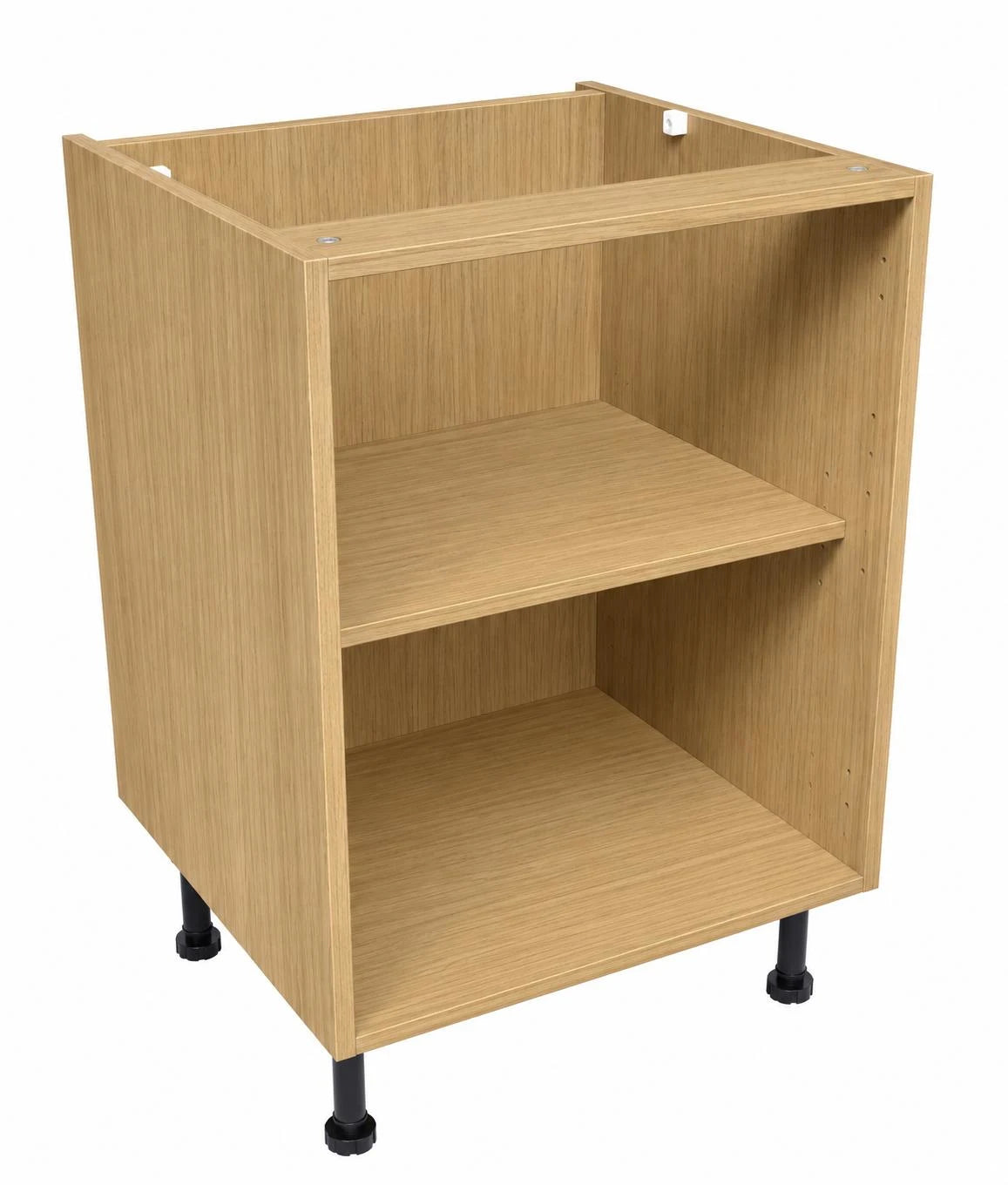
Traditional flat pack carcasses can take an hour or more each to build, which adds up across a full kitchen. Quick-fit cabinets change that stage completely. Our Quickcab kitchen units clip together in around two minutes each without tools, so a whole run can be built in under an hour. If you are assembling them yourself, our guide on how to assemble quick fit cabinets covers each step and the checks to make before fitting.
Fitting Base, Wall and Tall Units
Base units go in first, levelled to the highest point of the floor and joined together so the worktop sits flat. Wall units follow, hung at a consistent height above the worktop line, then tall units such as larders and oven housings. Planning the layout properly beforehand saves hours on site, and our step-by-step guide to planning a kitchen cabinet layout explains where each unit should go.
Worktops: The Biggest Variable
Laminate and solid wood worktops are cut and fitted on site, usually in a day. Quartz, granite and other stone worktops are different: they can only be templated once the base units are fixed, then made to measure, which typically takes one to two weeks before they are fitted. During that gap the kitchen has no worktop, no sink and often no hob, which is why stone is the main reason a fit stretches beyond a fortnight.
Doors, Drawer Fronts and Finishing
Once the worktops are down and the appliances connected, the doors and drawer fronts go on. Hinges are adjusted, handles drilled and fitted, and the plinth, cornice and end panels finish the edges. On an average kitchen this takes about a day. Make sure the doors arrive before this stage, as waiting for them leaves the job incomplete; our article on kitchen door lead times explains how to time your order.

How Kitchen Size Changes the Timeline
The number of units and the complexity of the layout make the biggest difference. As a guide to time on site with professional trades:
- Small kitchen (6 to 8 units): around 1 to 2 weeks.
- Medium kitchen (10 to 15 units): around 2 to 4 weeks.
- Large kitchen or one with an island (20 units or more): around 4 to 6 weeks.
So how long does it take to fit a small kitchen? It can be close to a week if the worktop is laminate, the layout stays the same and no services need moving. How long does it take to fit a new kitchen into an extension? Usually longer than a refit, because the room must be finished and dried out before any units go in.
What Slows a Kitchen Fit Down
If you want to know how long does it take to get a kitchen fitted without delays, it helps to know what usually holds a job up:
- Missing or late deliveries: one missing unit or panel can stop work on a whole run.
- Moving services: relocating the sink, hob or boiler adds trades and days.
- Uneven walls and floors: common in older UK homes, and they need extra packing and scribing.
- Stone worktops: the templating and fabrication wait is unavoidable.
DIY or Professional?
Doing it yourself can save on labour, but it nearly always takes longer, because the work fits around evenings and weekends. If you are weighing up the two, our honest look at fitting your own kitchen cabinets compares the savings with the risks. Many people choose a middle route, building quick-fit carcasses themselves and leaving the worktops and connections to a professional.
How to Keep Your Fit on Schedule
- Finalise your layout and measurements before ordering anything.
- Order units, doors and components together and check every item on delivery.
- Book trades in the right order: electrician and plumber first, then fitter, then tiler.
- Choose laminate if a short fit matters more than a stone finish.
- Set up a temporary kitchen with a kettle, microwave and fridge in another room.
Asking how long should it take to fit a kitchen before you book is sensible, and a good fitter will give you a written schedule stage by stage. Whether you are planning how long to fit a new kitchen into an existing room or simply wondering how long does a kitchen take to fit from start to finish, the same rule applies: good planning is what keeps the days down. Aspin Collins supplies quick-fit cabinets, doors, drawer fronts and finishing components across the UK, so everything can arrive together. For help planning your order, call us on 0161 465 4007.
Frequently Asked Questions
1. How long does it take to fit a kitchen in the UK?
For an average kitchen of 10 to 15 units, the fitting work usually takes one to four weeks. A full renovation with plastering, flooring and decorating is often three to six weeks on site.
2. Can I use my kitchen while it is being fitted?
Not for most of the job. The sink, hob and oven are disconnected from strip-out until second fix, so set up a temporary kitchen elsewhere with a kettle, microwave and fridge.
3. Why does a quartz worktop add time to a kitchen fit?
Quartz is templated after the base units are fixed, then cut to size off site. That usually takes one to two weeks, and the sink and hob cannot be fitted until it arrives.
4. Should the flooring go down before the kitchen units?
It depends on the floor. Tiles are often laid first so they run under the units, while floating floors usually go down afterwards, up to the plinth line. Allow a day or two either way.
5. How many people does it take to fit a kitchen?
One experienced fitter can install most kitchens, with a second person helping to lift tall units and long worktops. Electricians, plumbers and tilers are booked for their own stages.
6. How soon can I use the kitchen after fitting?
Usually straight away, once appliances are connected and tested. Leave silicone sealant around the sink and worktop for about 24 hours before wetting it, so it cures properly.
